

Panel Upgrade in San Francisco: Signs Your Home Needs More Power
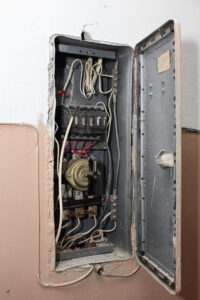
Big-screen TVs, induction ranges, EV chargers, and heat pumps pull more power than many older San Francisco homes can comfortably supply. If your lights dim, breakers trip, or you’re planning upgrades, it may be time to explore a panel upgrade with us.
Below, we break down practical signs to watch for, the 100 amp vs 200 amp question, and what to expect from the permit and scheduling process. You’ll also see where a panel upgrade fits with other electrical repairs and remodeling plans around neighborhoods like the Sunset, Richmond, Noe Valley, and Bernal Heights.
What a Panel Upgrade Actually Does
Your main electrical panel is the gateway that distributes power to every circuit. Upgrading it increases available capacity, improves safety features, and makes room for the dedicated circuits that modern homes need. It also helps reduce nuisance trips by matching your home’s real demand.
Why This Matters in San Francisco
Many Victorians and mid‑century homes across the Mission, Outer Sunset, and Ingleside were built for lighter loads. Add an EV charger, a new induction cooktop, or mini‑split heat pumps and your panel may be at its limit. A right‑sized panel supports today’s appliances and future projects without constant juggling.
Clear Signs Your Electrical Panel Is Holding You Back
- Lights dim or flicker when large appliances start up
- Breakers trip often or refuse to reset and stay on
- Warm cover plate, buzzing at the panel, or a burning odor
- No open breaker spaces for new dedicated circuits
- Fuse box rather than modern breakers
Never ignore repeated breaker trips. Frequent tripping is a safety signal that the system is overloaded or failing. If you notice buzzing, heat, or a burnt smell, have a licensed electrician evaluate it promptly.
When symptoms aren’t obvious but you suspect a hidden issue, a pro diagnosis can help. If you’re dealing with odd shutoffs or persistent flicker, schedule expert electrical troubleshooting before you add more load.
100 Amp vs 200 Amp in Plain English
Home power needs are shaped by what you run today and what you plan to add. Here’s a simple way to think about it:
- 100 amp service can suit smaller homes with modest loads and few large electric appliances.
- 200 amp service adds headroom for EV charging, electric dryer, induction range, and heat pump systems without constant panel Tetris.
Choosing With Your Home in Mind
A compact condo in South of Market with gas heat and stove might manage on 100 amp if circuits are well planned. A Noe Valley Victorian adding a heat pump, a Level 2 EV charger, and an induction range usually benefits from 200 amp to keep lights steady and trips rare.
Think not only about the next project but the one after that. Planning a kitchen update or backyard office? It’s often smarter to size the panel for what’s coming instead of upgrading twice. If a remodel is on your horizon, fold the decision into early design talks and consider your options for electrical remodeling at the same time.
Do not remove or bypass breakers or fuses to “make it work”. That creates serious risk and doesn’t solve the root problem of limited capacity.
What the Typical Permit and Scheduling Timeline Looks Like
A panel upgrade follows a few standard steps. Exact timing varies by scope, season, inspection availability, and utility scheduling. In general, here’s what homeowners around San Francisco can expect:
Planning and Approvals
Your licensed electrician evaluates your loads, confirms panel location, and prepares permit materials. Local permitting and any utility coordination are usually handled by your contractor, who will also sequence the inspection and power reconnection steps. Timelines vary by home and time of year.
Installation Day
Most installations aim to complete the panel swap and circuit terminations the same day. Power is shut off during the changeover, then restored after inspection and utility reconnect. Larger projects or relocation work may extend the schedule.
Final Inspection and Reconnection
City inspection confirms proper installation. The utility then reconnects service based on their schedule. Your contractor will advise on sequencing so the outage window is as short as practical for your home.
How a Panel Upgrade Fits With Other Home Projects
Many owners pair a panel upgrade with planned improvements. For example, a Bernal Heights kitchen remodel might add dedicated circuits for induction cooking and countertop appliances. An Outer Richmond garage EV charger needs a clean run and a correct breaker size. Coordinating these with the panel change saves repeat visits and drywall patches.
If you’ve had persistent flicker or surprise trips in older rooms, address those circuits while the panel is open. A short round of electrical troubleshooting during the upgrade helps catch loose connections or aging breakers before they become headaches.
Safety, Reliability, and Everyday Comfort
Beyond capacity, a modern panel adds protection. Newer equipment supports advanced breakers that help detect dangerous faults, and updated grounding and bonding help your system perform better in damp coastal conditions. That means steadier lighting, fewer surprises, and protection that quietly does its job.
Never work inside a live panel or attempt DIY fixes. Panels concentrate high energy in a small space. Licensed pros bring the training, tools, and safety practices that keep your project on track.
Questions Homeowners Ask Before They Upgrade
“Will 100 Amp Be Enough If I Only Add One Big Appliance?”
Sometimes. The right answer depends on total load and how you use the home. If you expect to add a second large appliance or an EV charger later, 200 amp usually gives you breathing room and flexibility.
“Can I Add New Circuits Without Upgrading the Panel?”
Only if there’s safe space and capacity. When all breaker spaces are taken or the service is at its limit, it’s time to look at a full upgrade rather than crowding things with tandems or workarounds.
“How Soon Should I Start If I Have a Remodel Coming Up?”
Early planning is best. Getting the panel sized and permitted alongside design work helps avoid delays when the project goes live. Your contractor will align permit steps and inspections with the construction schedule. Planning ahead pays off during peak building months.