

Smoke Detectors vs. Carbon Monoxide Detectors: What Every San Francisco Home Needs
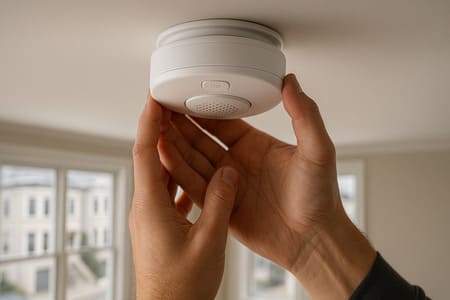
When you live in San Francisco, you share walls, floors, and air with neighbors in condos, duplexes, and classic Victorians. That makes early detection of smoke and carbon monoxide essential, and the right mix of alarms can turn a close call into a safe outcome. If you want a quick, professional path to protection, schedule code-compliant smoke alarm setup through our smoke detector installation service.
This guide breaks down what each type of detector does, where they belong, and how often to replace them. You’ll get clear answers for busy city living without the guesswork.
What Smoke Detectors Do
Smoke detectors sense the tiny particles produced by smoldering or flaming fires. In San Francisco homes, the most common triggers are cooking mishaps, overheated chargers, and older materials that can smolder before they ignite.
There are two main sensing approaches found in today’s alarms: photoelectric for slow, smoky fires and ionization for fast-flame fires. Many modern devices combine both, helping you catch hazards whether a toaster flares up in a Mission District studio or a space heater overheats in a Sunset flat.
Don’t ignore nuisance alarms from cooking; frequent alarms are a sign your placement or device type needs a professional review. Proper setup reduces false alerts while keeping you protected.
What Carbon Monoxide Detectors Do
Carbon monoxide (CO) detectors alert you to a colorless, odorless gas created by fuel-burning appliances and engines. In the city, common sources include gas furnaces and water heaters, fireplaces, and idling cars in attached or underground garages.
Because CO is undetectable by human senses, a dedicated detector is your only early warning. Homes with gas heating, ranges, or fireplaces need reliable monitoring, and mixed-fuel buildings are especially important to evaluate. If your household sometimes feels dizzy or headache-prone around appliances, leave the area and have a pro check your system.
Code-Compliant Detector Placement in San Francisco Homes
Placement matters as much as the device itself. Our licensed electricians tailor locations to your home’s layout while following current life-safety standards and local requirements. That includes multi-level Victorians, garden-level ADUs, and high-rise condominiums where air movement and doorways change how smoke and CO travel.
- Smoke alerts typically belong on each level and near sleeping areas so alarms wake people up fast.
- CO alerts typically belong near bedrooms and outside rooms with fuel-burning appliances for timely detection.
We also look at ceiling height, nearby vents, skylights, and the way San Francisco’s coastal airflow moves through your home. The goal is simple: early, reliable alerts with fewer nuisance chirps.
Detector Replacement Schedule and Lifespan
Alarms don’t last forever. Sensors become less accurate over time, so manufacturers publish a replacement date printed on each device.
- Smoke detectors commonly have a 10-year service life, depending on the model.
- Carbon monoxide detectors typically last 5 to 7 years, again depending on the model and environment.
Harsh indoor air, seaside humidity, and everyday dust shorten lifespan. In neighborhoods like the Richmond or Outer Sunset, salt-laden fog can age devices faster. Replace aging alarms before they fail, not after they start chirping. Your electrician can check dates during a safety walkthrough and swap units on the spot.
Choosing the Right Mix: Standalone, Combination, or Smart
You have options, and the best choice depends on your space, your routines, and your comfort with technology.
Standalone devices keep smoke and CO detection separate. That makes troubleshooting easy and lets you place each alarm exactly where it performs best. Combination devices save space and can be perfect for smaller apartments or hallways with limited mounting spots.
Smart, interconnected alarms take protection further. If a unit in your lower level detects CO, every linked alarm can sound, and some systems notify your phone. That helps if you’re out grabbing dinner in North Beach when something goes wrong at home.
Maintenance That Matters Without the Hassle
Alarms are low-maintenance, but they still need attention across their lifespan. Rather than juggling batteries and dates, many San Francisco homeowners choose sealed-battery models and schedule a yearly professional check. That keeps alerts reliable through busy workweeks and travel.
Silencing a frequent nuisance alarm isn’t a fix; it’s a risk. If an alarm keeps sounding at the wrong times, placement or sensor type likely needs a tune-up.
San Francisco Scenarios: How Detectors Work in Real Life
Picture a late-night cooking session in a SoMa loft. A photoelectric smoke detector near the kitchen entry picks up smoky particles as oil starts to smolder, buying you time to turn off the burner and clear the air.
Now think about a Noe Valley home with an attached garage. A car left running for “just a minute” can push CO into a stairwell and toward bedrooms. With a CO detector outside those sleeping areas, you get an early warning even if you don’t smell a thing.
In multi-unit buildings from the Inner Sunset to Pacific Heights, interlinked alarms are especially helpful. If smoke is detected on a lower level, linked units alert occupants upstairs quickly, where thick doors or music might otherwise hide the danger.
How We Place and Install for Real-World Results
At Brookline Electrical Co., we start with a walkthrough of your layout, ceiling heights, and appliance locations. We map airflow, drafts, and the distance from kitchens and bathrooms to reduce nuisance alarms without sacrificing coverage. Then we install, label, and document your system so you always know what’s protecting which areas.
If you’re modernizing a Victorian or adding an ADU, we coordinate with your remodel schedule to place new wiring or select reliable wireless options that fit finished spaces. That keeps your project on track and your safety upgrades seamless.
Why a Licensed Electrician Makes a Difference
Anyone can hang a device on a ceiling, but getting the right device in the right place is where experience pays off. A licensed electrician evaluates building age, fuel sources, and noise patterns to choose the proper technology and placement. You’ll get cleaner-looking installs, fewer nuisance alerts, and a clear replacement roadmap for the next decade.
We also document locations for resale and insurance purposes, which is helpful in a competitive San Francisco market. Buyers and inspectors want to see orderly, up-to-date systems with known replacement dates.
When to Replace: Simple Rules That Keep You Protected
The simplest rule is to follow the date printed on each device. If you can’t find it, assume it’s due for a professional check, especially if you’ve lived in your home longer than five years or inherited existing alarms during a move.
Watch for frequent chirping, yellowing plastic, or a unit that won’t stop false-alarming around normal cooking. Those are all signs each device needs an expert review and probable replacement. We’ll assess the whole system, confirm power sources, and swap units efficiently.
Why You Need Both Types Working Together
Smoke detectors warn you about fire, while carbon monoxide detectors warn you about a gas you can’t see or smell. In a dense, fast-moving city like San Francisco, both are essential for apartments, condos, and single-family homes alike.
If you’re not sure what you have today, we’ll sort it out. We can prioritize bedrooms and main living areas first, then expand coverage to laundry rooms, basements, and garages as needed.
Ready to Protect Your Home Today?
Book professional placement and installation to get fast, reliable alerts where they matter most. Call Brookline Electrical Co. at 415-239-5393 to schedule.