

Why Are My Lights Flickering When an Appliance Turns On?
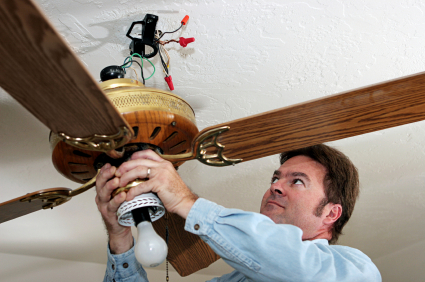
If you’ve noticed your lights flutter or dip the moment a large appliance kicks on, you’re seeing your electrical system react to a sudden surge in demand. Many San Francisco homes, from classic Victorians to mid‑century row houses, feel this effect most when the fridge, microwave, or HVAC starts. Homeowners often search for “lights dim when refrigerator starts,” because the problem is repeatable and annoying. The safest path is to have a San Francisco licensed electrician pinpoint the cause and complete the right electric repairs before it turns into a bigger issue.
In this guide, we’ll explain what’s happening behind the scenes, why it matters for safety and comfort, and how a pro solves it without guesswork. You’ll also learn which warning signs deserve quick attention and how local factors in San Francisco can make flicker more common in certain neighborhoods.
What’s Really Happening When Lights Flicker Under Load
Most flicker tied to an appliance start is a short voltage dip caused by inrush current. Motors and compressors need extra power the instant they start, and that brief demand can pull voltage down on shared circuits. In homes with older wiring, aged terminations, or panels near capacity, the dip becomes more visible, especially on sensitive LED lighting. If the dip is strong or happens across multiple rooms, it can point to a bigger system issue that needs professional attention.
Common Triggers In San Francisco Homes
Across the city, the same patterns show up again and again. Your home’s age, circuit layout, and the mix of modern appliances all play a role.
- Appliance inrush: refrigerators, microwaves, ACs, and heat pumps pull a short, intense burst of power at startup.
- Shared or undersized circuits: older rooms might share lighting and receptacles, so one load affects the rest.
- Loose or corroded connections: time, vibration, and coastal air can loosen or corrode terminations, increasing resistance.
- Panel limitations: limited breaker spaces, mislabeled circuits, or outdated equipment reduce stability under load.
- Service or neutral issues: problems at the main lugs, meter enclosure, or service neutral can cause whole‑home flicker.
Local insight: In neighborhoods close to the fog belt like Outer Sunset, Outer Richmond, and Lake Merced, moist, salty air can speed up corrosion at outdoor equipment and meter enclosures. That wear can loosen connections over time and make flicker more noticeable after an appliance starts.
When Flickering Is Normal Versus A Red Flag
A brief, slight dip when a large motor starts can be normal on a properly designed system. Still, some patterns point to developing trouble and deserve a fast response from a licensed electrician.
- Call fast if flicker is widespread across the home, not just on one circuit.
- Stop using the circuit if you notice buzzing at the panel, warm switches, or a sharp, hot smell.
- Watch for dimming paired with other symptoms like tripping breakers, slow or surging fan speeds, or lights that get brighter in one room while dimming in another.
- If flicker follows weather or wind, it could hint at an outdoor service or utility connection issue that needs professional coordination.
Why Older Wiring And Panels Make Dimming More Noticeable
San Francisco homes often blend original wiring with decades of remodels. Mixed conductor types, back‑stabbed receptacles from past eras, and splices behind plaster can all loosen over time. Each loose point adds resistance, which exaggerates voltage drop when a compressor or motor starts. In condos and flats, tightly packed loads on a small number of breakers can make the same dip appear in several rooms at once.
How A Licensed Electrician Tracks Down The Real Cause
Solving flicker tied to appliance startups is precise work. A pro checks panel torque and terminations, verifies neutrals, maps the affected circuits, and evaluates appliance starting current against what your branch circuit and panel can comfortably supply. If nuisance trips show up along the way, this post on circuit breaker keeps tripping explains why that happens and how pros separate true faults from overload patterns.
Depending on the findings, the fix could include separating a shared lighting circuit from a high‑draw appliance, repairing a loose neutral, correcting a corroded termination at the meter enclosure, or planning panel work so your system handles modern loads smoothly. When the issue is isolated to problem lighting, a focused visit for flickering light repairs can restore stable illumination.
Loose Wiring Warning Signs You Shouldn’t Ignore
Flicker is one signal, but it’s not the only one. Homeowners around the Mission, Noe Valley, and Potrero sometimes describe small clues before a larger failure shows up.
Pay attention to these patterns:
- Intermittent dimming plus a faint crackle at a switch or fixture.
- Lights in one area dim while lights elsewhere get brighter.
- Outlets or switches feel unusually warm to the touch.
- Visible corrosion, rust streaks, or water staining near the meter or panel.
Do not keep resetting breakers or swapping bulbs to chase the symptom. These are system clues a pro can use to fix the root cause safely.
Why LED Lights Make The Problem Easier To Spot
LEDs draw little power but respond instantly to small voltage changes. That sensitivity is helpful because it reveals issues earlier than an incandescent would. If your LEDs dip or flutter when an appliance turns on, it often means your system is on the edge under load and would benefit from professional evaluation before a minor annoyance becomes a major outage.
How Pros Stabilize Lighting When “Lights Dim When Refrigerator Starts”
Once your electrician confirms what’s happening, the solution plan is straightforward. The work may include repairing loose terminations, redistributing loads, adding a dedicated circuit for a specific appliance, or improving panel organization. In some homes, addressing corrosion at outdoor equipment is the key step. Where broader reliability issues exist, targeted electrical repairs bring circuits back within safe operating ranges and keep lighting steady when motors kick on.
Seasonal And Neighborhood Factors In San Francisco
On warm fall days when AC or heat pumps cycle more often, inrush events stack up, and flicker becomes more obvious. In coastal pockets like the Richmond and Sunset, corrosion accelerates wear at outdoor terminations. Hillside homes that relied on long branch circuits during older remodels can also see deeper voltage sway on startup. A local electrician who knows the city’s housing mix can spot these patterns and design a fix that fits your block, not just a generic checklist.
What To Expect During A Service Visit
Your technician will listen to where and when flicker appears, then test circuits under controlled load. They will verify labeling, measure voltage drop during appliance starts, and inspect neutrals and grounds for tight, clean terminations. If panel updates, AFCI additions, or circuit separation would improve safety and comfort, they will explain options in plain language so you can choose a smart, code‑compliant path forward for your home.
Simple Ways To Talk About The Problem
If you’re calling to schedule, describe what you see in everyday terms. Phrases like “the kitchen lights dip when the fridge starts” or “bedroom lights flutter when the microwave runs” help your electrician map likely circuits faster. You can also reference the phrase lights dim when refrigerator starts so our team immediately understands the pattern you’re noticing.
Why Acting Early Protects Your Home
Flicker that shows up under load is a system telling you it’s working hard. Left alone, loose or corroded connections can heat up and damage equipment. Separating loads, repairing terminations, or updating parts of the panel protects appliances and electronics and makes your lighting feel calm and predictable again. It also gives you a clear plan if you’re adding higher‑draw items like induction ranges, EV chargers, or mini‑split systems.